

If you have owned a house for long enough, chances are you also know that the roof does not give you many courtesy calls before going rogue. One day, things are looking OK, only to come home the next and find a brown water mark dripping on the ceiling. And in Houston, where storms have a mind of their own, roofs get kicked around all the time more frequently than some may know.
The crew at G&R Roofing hears this question a lot from homeowners. How frequently should I inspect my roof? Some say annually, others twice a year, some not at all until they spot something leaking. But in a city like Houston with the recent kind of weather they’ve had, 2026 is not the year to bet on. The quality of roofing materials is improving, but the weather continues to become less predictable. Oh, and whenever you need roof repair in Houston, TX, call us.
Ask an experienced roofer who has spent decades climbing roofs, and he will likely tell you twice a year. Spring and fall. That is the standard recommendation. G&R Roofing is up against unforgiving summer heat, brief cold snaps, surprise hailstorms, tropical systems, gale-force winds, and perpetually relentless humidity.
A good rule for Houston homeowners in 2026 is to check the roof at three points throughout the year.
This does not mean a full professional inspection every time. You can do simple walk-around checks yourself. A professional once a year is usually enough unless the roof is older. If it is 12 plus years old, then twice a year is smarter.
And no, calling a roofer for an inspection should not mean signing up for a sales pitch. A good roofing company would rather tell you everything looks fine than watch you suffer through a preventable repair later. With Houston TX roof repair, most issues start small, and catching them early saves you a lot of money.
A lot of roof damage stays hidden until the situation gets bad. People usually notice the problem only after water is inside the house. At that point, the damage has already spread into the decking, insulation, and maybe even the walls.
Here is what usually happens when inspections are skipped
Most of this starts long before you see a single drip. The roof might look fine from the street, but inside, it tells a different story. Regular checks prevent these problems from turning into major repairs.
You do not need to climb the roof for most of this. Stay on the ground if you are not comfortable up there. All you need is a careful eye.
Walk around the house and see different angles of the roof. Look for lifted, curled, or darker-looking shingles. Check for any sagging spots. Keep an eye out for anything that appears to be mismatched.
Sometimes there will be a spot where the shingles appear newer compared with some of the older shingles. That indicates there were past repairs. No problem with that, but watch out for places like this.
Flashing is the metal that goes around chimneys, vents, skylights, and the edge of the roof. These areas commonly leak. Search for rust, gaps, missing sealant, or where the flashing seems loose. Flashing problems are one of the main drivers behind calls for roof repair in Houston, TX.
Your attic will tell you long before the outside. Look for damp insulation evidence, musty odors, a spongy or soft feel to the wood, and any indication of light shining through past the roof boards. If you can see light, water is definitely finding its way through when it rains.
Branches, leaves, dirt piles, all these hold moisture. That moisture eats away at shingles faster than most people think. Try to keep the roof surface clear.
Houston storms do not need to be hurricanes to cause damage. Even a fast hail storm can bruise shingles in ways you do not notice immediately.
After any strong storm:
A professional inspection is more detailed. A roofer should check the shingle condition, flashing, nail pops, attic ventilation, moisture levels, gutter alignment, weak decking spots, and more. And they should give you photos. Real ones on your roof.
At G&R Roofing, we do a full report. It is straightforward and helps you understand what is going on without guesswork. Replacement is not always needed. Most of the time, the issue is small and fits into the typical Houston, TX roof repair category.
Here are the early warning signs that a lot of people brush off:
These are usually repair items rather than full replacements. But when ignored, they turn expensive quickly.
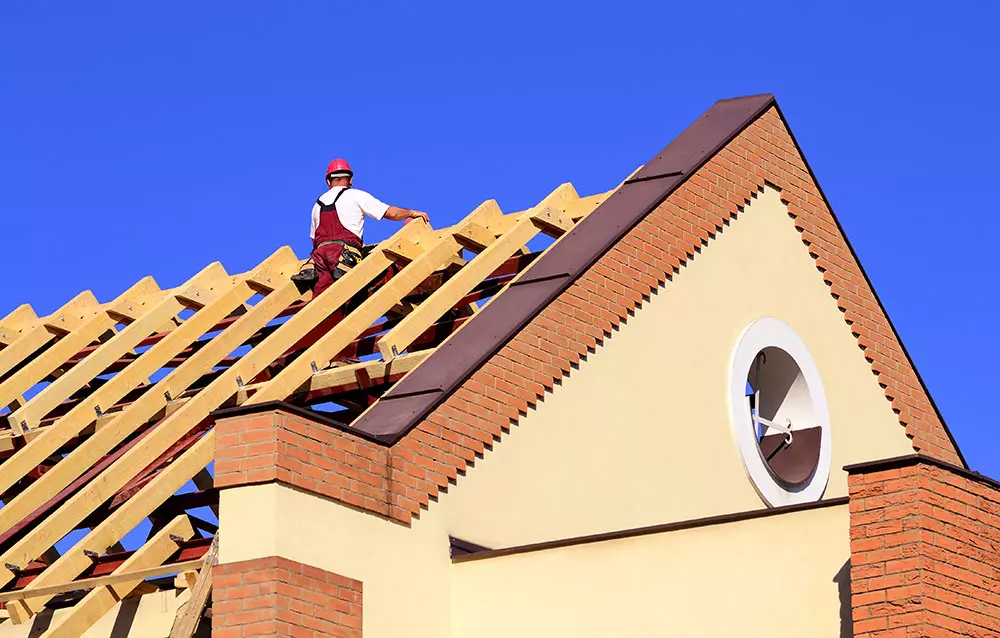
If your asphalt roof is reaching the ripe old age of 10 to 12, if your metal roof has made it to 20 or 25, and if those tile shingles have been out there for more than 30 years, well then, it’s time to start paying closer attention. Houston weather ages roofs quicker. Roofs that appear sound from the ground may contain brittle shingles or soft decking.
Older roofs need to be looked at twice a year, without exception.
A roof does not live forever, and it doesn’t take much to make sure that it remains healthy. Taking a brisk walk around the house two or three times a year is worth it. Better to make a small repair now than replace plywood and insulation later. And it's not that you need to panic or overanalyze. You simply have to look.
And when something looks iffy, call someone who puts his feet on a roof every day. G&R Roofing is here for inspections, repairs, storm-damaged roofs, or whatever else your roof hurls at you.
Twice a year is standard. For Houston, also check the roof after any major storm.
Yes, from the ground and inside the attic. Unless you are comfortable and experienced, do not climb onto the roof.
Any time you see missing shingles, leaks, sagging areas, or a sudden increase in granules.
Yes. Heat, humidity, and storms age roofs faster here compared to cooler climates.


